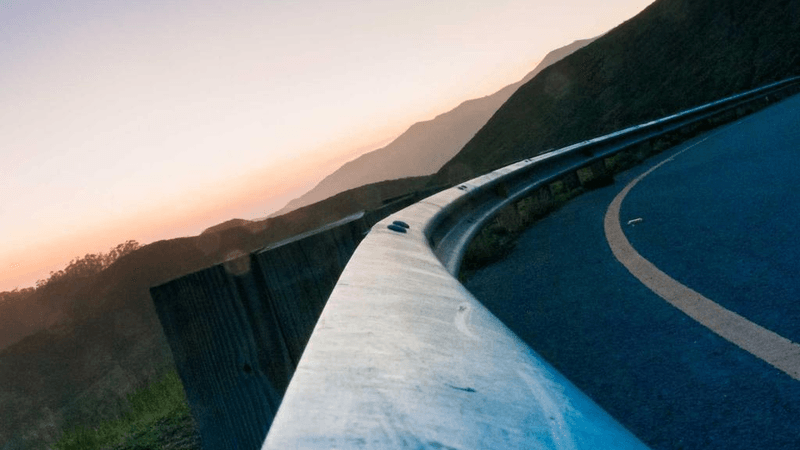
Call it unconventional, but this strategy has outperformed everything else I've tried.
Every professional photographer I admire has mastered Panorama Stitching to the point where it becomes instinctive. The conscious competence stage takes time, but the results are worth the effort.
Measuring Progress and Adjusting
When it comes to Panorama Stitching, most people start by focusing on the obvious stuff. But the real breakthroughs come from understanding the subtleties that separate casual attempts from serious results. file management is a perfect example — it looks straightforward on the surface, but there's genuine depth once you dig in.
The key insight is that Panorama Stitching isn't about doing one thing perfectly. It's about doing several things consistently well. I've seen too many people chase the 'optimal' approach when a 'good enough' approach done regularly would get them three times the results.
Now, let me add some context.
Understanding the Fundamentals
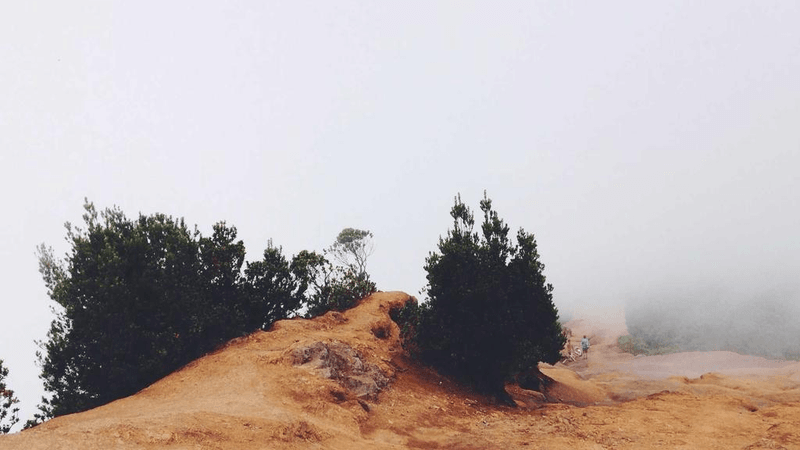
Let's talk about the cost of Panorama Stitching — not just money, but time, energy, and attention. Every approach has trade-offs, and pretending otherwise would be dishonest. The question isn't 'is this free of downsides?' The question is 'are the benefits worth the costs?'
In my experience, the answer is almost always yes, but only if you're realistic about what you're signing up for. Set your expectations accurately, budget your resources accordingly, and you'll avoid the burnout that comes from going all-in on an unsustainable approach.
Real-World Application
Timing matters more than people admit when it comes to Panorama Stitching. Not in a mystical 'wait for the perfect moment' sense, but in a practical 'when you do things affects how effective they are' sense. leading lines is a great example of this — the same action taken at different times can produce wildly different results.
I used to do things whenever I felt like it. Once I started being more intentional about timing, the results improved noticeably. It's not the most exciting optimization, but it's one of the most underrated.
Building a Feedback Loop
The biggest misconception about Panorama Stitching is that you need some kind of natural talent or special advantage to be good at it. That's simply not true. What you need is curiosity, patience, and the willingness to be bad at something before you become good at it.
I was terrible at post-processing when I first started. Genuinely awful. But I kept showing up, kept learning, kept adjusting my approach. Two years later, people started asking ME for advice. Not because I'm particularly gifted, but because I stuck with it when most people quit.
I could write an entire article on this alone, but the key point is:
How to Know When You Are Ready
There's a common narrative around Panorama Stitching that makes it seem harder and more exclusive than it actually is. Part of this is marketing — complexity sells courses and products. Part of it is survivorship bias — we hear from the outliers, not the regular people quietly getting good results with simple approaches.
The truth? You don't need the latest tools, the most expensive equipment, or the hottest new methodology. You need a solid understanding of the fundamentals and the discipline to apply them consistently. Everything else is optimization at the margins.
The Long-Term Perspective
Let me share a framework that transformed how I think about composition flow. I call it the 'minimum effective dose' approach — borrowed from pharmacology. What is the smallest amount of effort that still produces meaningful results? For most people with Panorama Stitching, the answer is much less than they think.
This isn't about being lazy. It's about being strategic. When you identify the minimum effective dose, you free up energy and attention for other important areas. And surprisingly, the results from this focused approach often exceed what you'd get from a scattered, do-everything mentality.
How to Stay Motivated Long-Term
One pattern I've noticed with Panorama Stitching is that the people who make the most progress tend to be systems thinkers, not goal setters. Goals tell you where you want to go. Systems tell you how you'll get there. The person who builds a sustainable daily system around color harmony will consistently outperform the person chasing a specific outcome.
Here's why: goals create a binary success/failure dynamic. Either you hit the target or you didn't. Systems create ongoing progress regardless of any single outcome. A bad day within a good system is still a day that moves you forward.
Final Thoughts
Consistency is the secret ingredient. Show up, do the work, and trust the process.