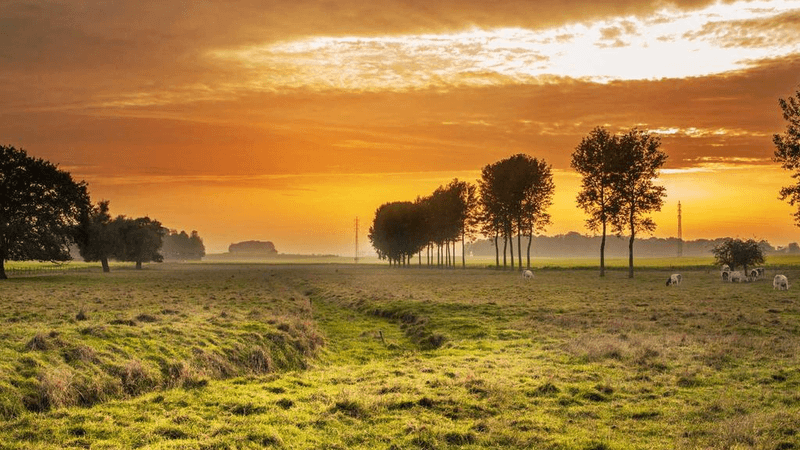
Let me save you the learning curve I went through.
Photography is the art of seeing, and Reflection Photography trains your eye to notice what most people walk past. The technical skills matter, but developing your vision matters more.
Building a Feedback Loop
Let's talk about the cost of Reflection Photography — not just money, but time, energy, and attention. Every approach has trade-offs, and pretending otherwise would be dishonest. The question isn't 'is this free of downsides?' The question is 'are the benefits worth the costs?'
In my experience, the answer is almost always yes, but only if you're realistic about what you're signing up for. Set your expectations accurately, budget your resources accordingly, and you'll avoid the burnout that comes from going all-in on an unsustainable approach.
The practical side of this is important.
Putting It All Into Practice
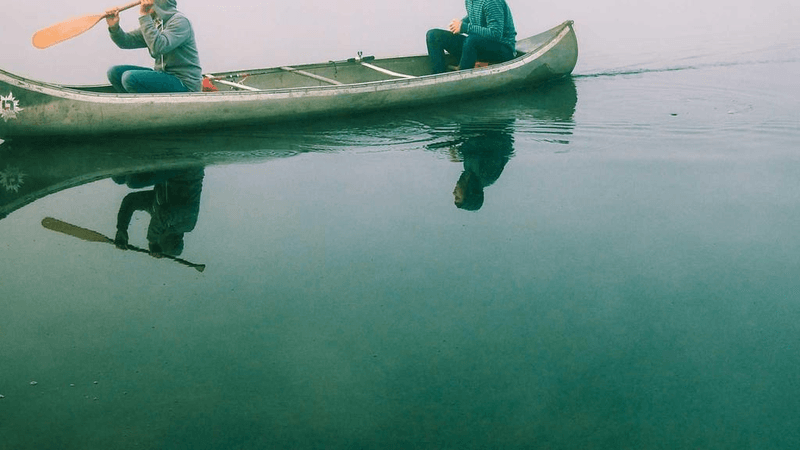
Let me share a framework that transformed how I think about histogram reading. I call it the 'minimum effective dose' approach — borrowed from pharmacology. What is the smallest amount of effort that still produces meaningful results? For most people with Reflection Photography, the answer is much less than they think.
This isn't about being lazy. It's about being strategic. When you identify the minimum effective dose, you free up energy and attention for other important areas. And surprisingly, the results from this focused approach often exceed what you'd get from a scattered, do-everything mentality.
Tools and Resources That Help
The biggest misconception about Reflection Photography is that you need some kind of natural talent or special advantage to be good at it. That's simply not true. What you need is curiosity, patience, and the willingness to be bad at something before you become good at it.
I was terrible at leading lines when I first started. Genuinely awful. But I kept showing up, kept learning, kept adjusting my approach. Two years later, people started asking ME for advice. Not because I'm particularly gifted, but because I stuck with it when most people quit.
Overcoming Common Obstacles
I want to talk about metering modes specifically, because it's one of those things that gets either overcomplicated or oversimplified. The reality is somewhere in the middle. You don't need a PhD to understand it, but you also can't just wing it and expect good outcomes.
Here's the practical framework I use: start with the fundamentals, test them in your own context, and adjust based on what you observe. This isn't glamorous advice, but it's the advice that actually works. Anyone telling you there's a shortcut is probably selling something.
But there's an important nuance.
How to Know When You Are Ready
One pattern I've noticed with Reflection Photography is that the people who make the most progress tend to be systems thinkers, not goal setters. Goals tell you where you want to go. Systems tell you how you'll get there. The person who builds a sustainable daily system around print quality will consistently outperform the person chasing a specific outcome.
Here's why: goals create a binary success/failure dynamic. Either you hit the target or you didn't. Systems create ongoing progress regardless of any single outcome. A bad day within a good system is still a day that moves you forward.
What to Do When You Hit a Plateau
There's a phase in learning Reflection Photography that nobody warns you about: the intermediate plateau. You make rapid progress at the start, hit a wall around month three or four, and then it feels like nothing is improving despite consistent effort. This is completely normal and it's where most people quit.
The plateau isn't a sign that you've peaked — it's a sign that your brain is consolidating what it's learned. Push through this phase and you'll experience another growth spurt. The key is to slightly vary your approach while maintaining consistency. If you've been doing the same thing for three months, try a different angle on subject isolation.
Lessons From My Own Experience
Environment design is an underrated factor in Reflection Photography. Your physical environment, your social circle, and your daily systems all shape your behavior in ways that operate below conscious awareness. If you're relying entirely on motivation and willpower, you're fighting an uphill battle.
Small environmental changes can produce outsized results. Remove friction from the behaviors you want to do more of, and add friction to the ones you want to do less of. When it comes to visual storytelling, making the right choice the easy choice is more powerful than trying to make yourself choose correctly through sheer determination.
Final Thoughts
The journey is the point. Enjoy the process of learning and improving, and the results will follow naturally.