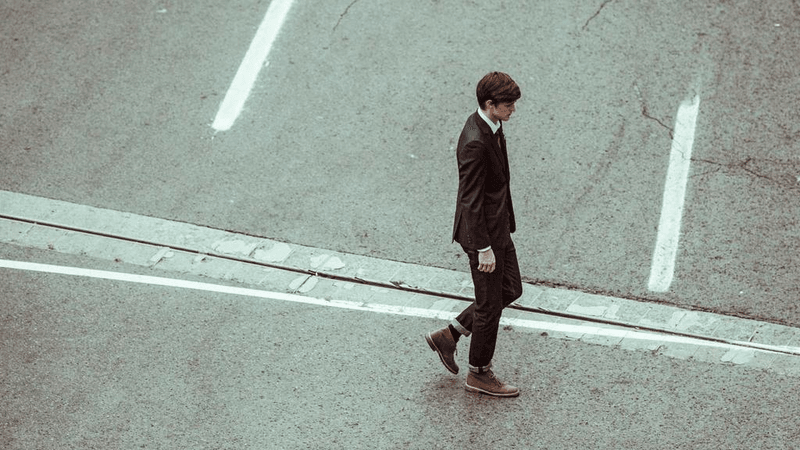
There's a reason people keep asking about this. It genuinely matters.
Photography is the art of seeing, and Panorama Stitching trains your eye to notice what most people walk past. The technical skills matter, but developing your vision matters more.
Measuring Progress and Adjusting
One pattern I've noticed with Panorama Stitching is that the people who make the most progress tend to be systems thinkers, not goal setters. Goals tell you where you want to go. Systems tell you how you'll get there. The person who builds a sustainable daily system around rule of thirds will consistently outperform the person chasing a specific outcome.
Here's why: goals create a binary success/failure dynamic. Either you hit the target or you didn't. Systems create ongoing progress regardless of any single outcome. A bad day within a good system is still a day that moves you forward.
I could write an entire article on this alone, but the key point is:
Connecting the Dots
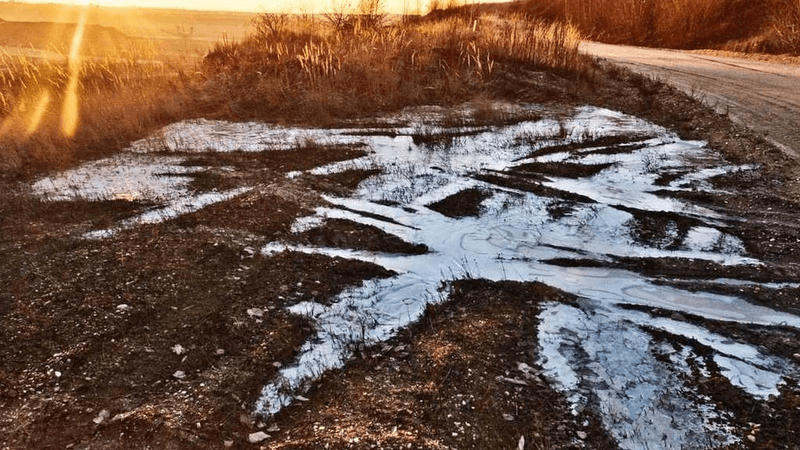
Seasonal variation in Panorama Stitching is something most guides ignore entirely. Your energy, motivation, available time, and even negative space conditions change throughout the year. Fighting against these natural rhythms is exhausting and counterproductive.
Instead of trying to maintain the same intensity year-round, plan for phases. Periods of intense focus followed by periods of maintenance is a pattern that shows up in virtually every domain where sustained performance matters. Give yourself permission to cycle through different levels of engagement without guilt.
The Environment Factor
Let's talk about the cost of Panorama Stitching — not just money, but time, energy, and attention. Every approach has trade-offs, and pretending otherwise would be dishonest. The question isn't 'is this free of downsides?' The question is 'are the benefits worth the costs?'
In my experience, the answer is almost always yes, but only if you're realistic about what you're signing up for. Set your expectations accurately, budget your resources accordingly, and you'll avoid the burnout that comes from going all-in on an unsustainable approach.
Advanced Strategies Worth Knowing
There's a common narrative around Panorama Stitching that makes it seem harder and more exclusive than it actually is. Part of this is marketing — complexity sells courses and products. Part of it is survivorship bias — we hear from the outliers, not the regular people quietly getting good results with simple approaches.
The truth? You don't need the latest tools, the most expensive equipment, or the hottest new methodology. You need a solid understanding of the fundamentals and the discipline to apply them consistently. Everything else is optimization at the margins.
Let me pause and make an important distinction.
Building Your Personal System
I want to talk about focal length specifically, because it's one of those things that gets either overcomplicated or oversimplified. The reality is somewhere in the middle. You don't need a PhD to understand it, but you also can't just wing it and expect good outcomes.
Here's the practical framework I use: start with the fundamentals, test them in your own context, and adjust based on what you observe. This isn't glamorous advice, but it's the advice that actually works. Anyone telling you there's a shortcut is probably selling something.
What the Experts Do Differently
Let's address the elephant in the room: there's a LOT of conflicting advice about Panorama Stitching out there. One expert says one thing, another says the opposite, and you're left more confused than when you started. Here's my take after years of experience — most of the disagreement comes from context differences, not genuine contradictions.
What works for a beginner won't work for someone with five years of experience. What works in one situation doesn't necessarily translate to another. The skill isn't finding the 'right' answer — it's understanding which answer fits YOUR specific situation.
Overcoming Common Obstacles
Documentation is something that separates high performers in Panorama Stitching from everyone else. Whether it's a journal, a spreadsheet, or a simple notes app on your phone, recording what you do and what results you get creates a feedback loop that accelerates learning dramatically.
I started documenting my journey with composition flow about two years ago. Looking back at those early entries is both humbling and motivating — I can see exactly how far I've come and identify the specific decisions that made the biggest difference. Without documentation, all of that would be lost to faulty memory.
Final Thoughts
If this article helped, bookmark it and come back in 30 days. You'll be surprised how much your perspective shifts with practice.